Acid-Stained Concrete vs Epoxy: Which Is Better for a Basement Floor?
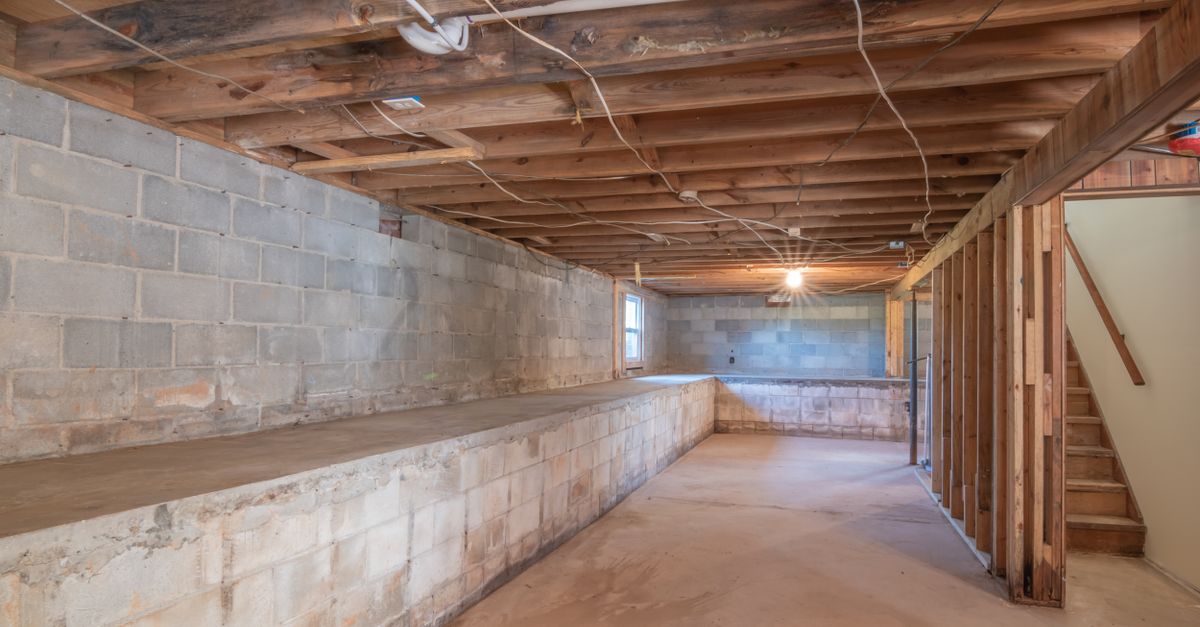
Choosing the right finish for your basement floor is a decision that affects not only the appearance of your space, but also its functionality, durability, and long-term value. For homeowners in New York and across the Northeast, the debate often comes down to two standout options: acid-stained concrete and epoxy flooring. As the experts at Concrete Doctor of NY, we have extensive experience installing both, and we understand what truly matters when finishing a basement slab.
In most basement environments, epoxy is usually the superior choice—primarily because of its excellent durability, resistance to moisture, and ease of maintenance. However, acid-stained concrete remains a compelling option for those seeking a unique, natural look and a breathable surface where decorative impact is the top priority and moisture is not a concern. Ultimately, the right solution depends on the specific conditions of your basement and your long-term goals for the space.
Definitions: Acid-Stained Concrete and Epoxy Flooring
- Acid-stained concrete: A finishing technique that uses a chemical reaction to permanently alter the color of a concrete slab, resulting in variegated, mottled patterns that resemble natural stone or marble. The finish becomes part of the slab itself rather than forming a surface coating. At Concrete Doctor of NY, acid staining is popular for its rich, low-maintenance character and ability to highlight the natural beauty of concrete.
- Epoxy flooring: A resin-based coating system applied over concrete to create a seamless, durable surface. Epoxy floors are customizable with solid colors, decorative flakes, metallic effects, and marbled designs. As finished by Concrete Doctor of NY, epoxy can hide minor slab imperfections and deliver maximum protection and cleanability, making it ideal for basements, workshops, family rooms, and more.
Direct Comparison: Acid-Stained Concrete vs Epoxy for Basements
| Factor | Acid-Stained Concrete | Epoxy Flooring |
|---|---|---|
| Appearance | Translucent, variegated, natural
Organic, one-of-a-kind finish |
Uniform, polished, customizable
Solid colors, flakes, metallics, marbled |
| Durability | Depends on sealer, color does not wear off
Not a protective barrier by itself |
Very high, resists abrasion, spills, chemicals
Adds protective surface layer |
| Moisture Performance | Breathable finish, best for dry slabs | Excellent when subfloor is dry and prepped |
| Maintenance | Low, may require resealing over time | Very easy to clean, low maintenance |
| Imperfection Coverage | Does not cover cracks, flaws, or repairs | Hides minor surface blemishes |
| Best Uses | Decorative, low-moisture basements
Where authentic concrete look is desired |
Multi-purpose basements
Family rooms, gyms, playrooms, workshops |
| Cost Range* | $2–$12/sq ft depending on finish | $3–$15/sq ft, design and prep affect price |
| Installation Time* | Usually 2 days (plus slab cure if new) | May dry in 12 hours, usable in 24 for simple systems |
*Actual pricing and timelines vary by project scope and prep needs. Consult Concrete Doctor of NY for a tailored quote.
How Acid-Stained Concrete Works
Acid staining leverages a chemical reaction between the stain and minerals in the concrete, permanently altering the color of the surface. The outcome is an iridescent, variegated look that cannot be replicated with paint or standard finishes. Acid stain works best on well-cured, clean slabs, and is sealed to help preserve both color and performance. At Concrete Doctor of NY, we use high-quality products and custom techniques to achieve dramatic results for basements with minimal maintenance requirements.
Ideal Scenarios for Acid Stain
- Your basement is dry year-round, with no history of water or vapor issues
- You want a highly decorative, artistic floor that highlights concrete’s unique character
- The slab is in good condition and does not need repairs
- You want a breathable floor that won’t trap moisture beneath it
How Epoxy Flooring Works
Epoxy flooring consists of a two-part resin that is rolled or squeegeed onto a prepared concrete slab, bonding to form a strong, seamless surface. Epoxy not only delivers excellent impact and abrasion resistance, but also shields the floor from most chemical spills, water, and stains. As experts in custom concrete finishes, Concrete Doctor of NY offers an extensive range of epoxy styles, from classic solid colors to dramatic metallic or flake effects for a truly one-of-a-kind basement floor.
Ideal Scenarios for Epoxy
- Your basement is finished for daily use—family room, office, playroom, gym, or storage
- You need a floor that’s easy to clean and resists daily wear, chemicals, and moisture
- You want to hide minor cracks or patched repairs
- You want the creative freedom to choose from a variety of colors, flakes, or marbled effects
- Concrete Doctor of NY can thoroughly prepare your slab for the longest-lasting bond
Moisture: The Deciding Factor in Basement Floors
Basements are notorious for being prone to dampness and hydrostatic pressure, which makes moisture management critical before applying any floor finish. While epoxy provides a protective barrier, it requires a dry slab for proper adhesion and performance. Concrete Doctor of NY is thorough in evaluating every basement floor for existing moisture, conducting field tests when needed. If moisture is present, mitigation options may be discussed before proceeding with epoxy.
Acid stain is more forgiving because it does not form a sealed film. However, a moist slab can still affect the clarity and longevity of the stained surface, so both finishes benefit from sound slab conditions.
Installation Process: Step-by-Step Framework
1. Site Evaluation
- Check slab condition, age, and prior coatings
- Perform moisture testing if needed
- Identify cracks or surface repairs required
2. Surface Preparation
- Professional cleaning, degreasing, and minor patching
- Mechanical grinding may be performed for epoxy or deep cleaning for stain
3. Application:
- Acid stain: Acid is applied to the surface, reacts, and is neutralized. Sealer is then added. Multiple passes and masking may be used for design.
- Epoxy: Primer/binder coat applied, followed by broadcast color flakes or metallics if specified, and finished with a topcoat. Dry/cure time varies by system.
4. Final Inspection and Handover
- Assess finish, adhesion, and overall appearance
- Provide care and maintenance guidance specific to chosen system
Best Practices for a Successful Basement Floor Installation
- Always repair structural issues or water infiltration before finishing
- For comprehensive foundation repairs, Concrete Doctor of NY provides expert diagnostics and solutions
- Choose a finish that fits your basement’s real-world usage (kids, pets, gym, storage, etc.)
- Invest in professional-grade surface preparation for optimal adhesion and durability
- Discuss color and finish expectations with a qualified installer
- Follow recommended maintenance routines (occasional resealing for stained floors, simple cleaning for epoxy)
Real-World Examples from Concrete Doctor of NY
Our project portfolio highlights many successful basement renovations across New York. For example, a recent project in Poughkeepsie involved upgrading a basement floor with a custom blue/gray epoxy finish, delivering a clean, durable, easy-maintenance surface ideal for daily family life. Decorative acid-stained floors have been featured in residential living areas where organic beauty and low maintenance were the top priorities. Each project starts with a thorough assessment and guided, expert recommendations tailored to the customer’s needs and basement environment.
Appearance and Style Considerations
The right choice for your basement reflects your personal style, how you use the space, and what you expect in terms of care and longevity. Acid stain offers a one-of-a-kind, earthy appearance that preserves the inherent beauty of concrete. Epoxy, by contrast, is more controlled, polished, and highly customizable, making it a versatile solution for modern spaces or functional renovations.
Frequently Asked Questions
What is the difference between acid-stained concrete and epoxy flooring?
Acid-stained concrete chemically interacts with the surface of the slab to create permanent, variegated color. Epoxy flooring is a resin-based coating that forms a new surface layer, allowing for greater protection, more design options, and better masking of imperfections.
Which is more durable for basements: acid stain or epoxy?
Epoxy is generally more durable because it forms a hard coating that resists chemicals, spills, and wear. Acid stain color is permanent, but protection relies on the sealer, which may need to be reapplied over time.
How do I know if my basement is suitable for epoxy?
The concrete slab must be properly cured, clean, and free from ongoing moisture. Professional moisture testing is recommended. Concrete Doctor of NY performs a full assessment before any epoxy system is applied.
Can I install epoxy or acid stain over a cracked or patched basement floor?
Epoxy can mask some minor imperfections, making it ideal if your floor has hairline cracks or repairs. Acid stain will highlight, not hide, those areas. Proper prep and repair are always advised for lasting results.
What kind of maintenance is needed?
Epoxy floors need only routine cleaning. Stained floors may require occasional resealing, especially in high-traffic areas. Concrete Doctor of NY provides detailed care guidelines for every installation.
How long does installation take?
Epoxy floors often dry within 12 hours and can be walked on in about a day, depending on the system. Acid staining typically takes about 2 days, plus sealer cure time if required. The main variable is always surface prep and slab condition.
Should I be concerned about moisture or water vapor with basement floors?
Yes. Moisture is the most common reason for finish failure in basements. Always have the slab tested and sealed before installing any floor finish. Concrete Doctor of NY performs moisture testing and provides expert recommendations for each basement.
Conclusion: Making the Right Choice
Both acid-stained concrete and epoxy flooring deliver lasting performance and style when installed correctly—but the ideal choice depends on your basement’s conditions and your desired outcome. In most cases, especially where moisture, active use, and longevity are priorities, epoxy flooring is the recommended option. For dry, decorative spaces with a focus on natural beauty, acid stain remains a strong alternative.
For a truly successful basement floor that stands the test of time, it is critical to start with the right foundation. At Concrete Doctor of NY, we bring over 15 years of expertise in both concrete finishing and basement repair, ensuring every project is built to last. To explore your options or request a professional assessment, visit our homepage or contact us directly—our team is ready to help you create a basement floor that elevates your home for years to come.
Looking for related information? Learn more about what makes epoxy flooring so effective in homes and businesses, or explore how to refresh old concrete surfaces without major demolition on our blog.